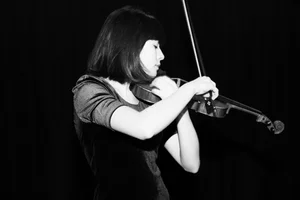
10 Questions to Ask Before Booking a Wedding Violinist
Choosing live music for your wedding ceremony is about far more than selecting a playlist of favourite songs.
A professional wedding violinist does not simply arrive, perform and leave. Behind every ceremony sits a significant amount of preparation, communication and planning designed to ensure that the music feels effortless on the day itself.
Over the years, I have found that couples often ask about repertoire first, but some of the most important conversations involve timing, logistics, venue considerations and how the music will fit naturally within the ceremony.
If you are considering live violin music for your wedding, these are the questions I believe are most worth asking.
1. Can You Play the Music We Have Chosen?
This may sound obvious, but it is often the best place to begin.
Some couples already know exactly which pieces they would like. Others simply have a sense of the style they enjoy, whether classical, film music, jazz, contemporary songs or something more personal.
A professional wedding violinist should be able to guide this process and advise on what works particularly well within a ceremony setting.
Many couples also request music that holds special meaning for them. Over the years I have arranged pieces ranging from The Secret Wedding from Braveheart to Nothing Else Matters by Metallica and Life Is Beautiful by Roberto Benigni.
The most important thing is not whether a piece is classical or contemporary, but whether it feels meaningful to the couple.
Once you have chosen your musician, the next step is deciding how music will shape the ceremony itself. If you are looking for inspiration, you may also enjoy reading A Guide to Choosing Music for a Civil Wedding Ceremony, where I explore how repertoire can support each stage of the day.
2. Will We Discuss the Music Before the Wedding?
The answer should always be yes.
One of the most valuable parts of the planning process is the conversation that happens before the wedding itself.
These discussions help me understand not only musical preferences but also the personality of the couple, the tone of the celebration and how they would like the music to contribute to the day.
Sometimes couples want the violin to be a visible part of the ceremony.
Others prefer it to remain discreet, supporting the occasion without drawing attention away from the main event.
Many choose a balance between the two, with certain moments taking centre stage and others remaining more understated.
In preparation for a recent ceremony at Hackney Town Hall, I spoke with the couple several times and held a video call where I played sections of their chosen repertoire with backing tracks. They later told me how reassuring it was to hear the music in advance and imagine how it would feel on the day itself.
3. Have You Performed at Similar Venues Before?
Every venue presents different opportunities and challenges.
A small ceremony room requires a very different musical approach from a large hall or outdoor setting.
The size and character of the venue influence almost every practical decision, from whether amplification is needed and where the musician should be positioned to how sound travels through the space and how the repertoire is performed. Acoustic and amplified violin can both create beautiful results, but each requires a different approach to preparation and performance.
Understanding the venue in advance allows these decisions to be made thoughtfully rather than at the last minute.
4. How Will You Know When to Start Playing?
Many couples are surprised by how important this question is.
A ceremony rarely runs exactly to schedule.
Entrances can be delayed, guests may arrive later than expected and timings often shift naturally throughout the day.
For this reason, I usually ask couples to nominate a trusted guest or wedding coordinator who can act as a point of contact and provide discreet cues when music needs to begin.
This allows everything to run smoothly without requiring the couple to think about logistics on their wedding day.
Fortunately, I have never needed to use the emergency contact details I also request, but it provides reassurance should anything unexpected arise.
Careful planning and discreet communication are just as important during surprise proposals, where timing often depends on a single carefully arranged moment. I explore that process further in Planning Live Music for a Wedding Proposal.
5. What Happens if the Ceremony Runs Longer or Shorter Than Planned?
Flexibility is one of the greatest advantages of live music.
Unlike a recording, live performance can adapt in real time.
Entrances may take longer than expected. Register signing may finish more quickly. Guests may linger during photographs.
An experienced wedding musician plans for this.
I often prepare additional repertoire and identify natural points within pieces where the music can be extended or concluded gracefully depending on what is happening within the ceremony.
This adaptability helps the music support the event rather than dictate it.
6. Will You Visit the Venue Before the Wedding?
Whenever possible, yes.
Some couples invite me to visit the venue beforehand. Others prefer to discuss everything remotely.
Both approaches can work well.
Occasionally, I have visited a venue or even a couple's home with my violin and sound equipment so that we can explore musical ideas together and finalise practical details such as timings and positioning.
Even when a prior visit is not necessary, arriving early on the day is essential.
I always allow sufficient time for set-up, sound checks and final preparation before guests arrive.
7. What Will You Wear?
It is a small detail that can make a significant difference.
For most weddings, I wear elegant and discreet attire designed to complement the occasion without drawing attention away from the couple.
However, some celebrations have a specific dress code or visual style.
In these situations, I am happy to adapt my appearance to fit the character of the event whilst maintaining a professional presentation.
8. Can You Provide More Than One Piece of Music?
Absolutely.
Although couples often focus on the entrance music, many ceremonies benefit from additional live music throughout the event.
This may include:
guest arrival music
signing of the register
exit music
drinks receptions
post ceremony celebrations
I also prepare additional repertoire because there are often unexpected moments where music enhances the experience naturally.
Occasionally, guests request an encore at the end of the ceremony, something that is always lovely when circumstances allow.
9. How Much Experience Do You Have Performing at Weddings?
Experience matters because weddings rarely unfold exactly as planned.
The ability to remain calm, adaptable and responsive is just as important as musical ability.
A professional wedding musician needs to balance preparation with flexibility, responding confidently to changes whilst ensuring the couple feel supported throughout the process.
Many of the most important skills involved in wedding performance are not musical at all. They are organisational, communicative and practical.
10. What Does Live Music Add That a Playlist Cannot?
This is perhaps the most important question of all.
A playlist can certainly provide beautiful music, but live performance offers something different.
It brings presence, responsiveness and human connection into the room.
More importantly, it creates a shared experience unfolding in real time.
I often think of wedding music as a gift.
People could easily choose recorded music. When they choose a live musician, they are inviting another person to accompany them through one of the most significant moments of their lives.
The music becomes part of memories that will be revisited through photographs, videos and stories for years to come.
That responsibility is something I never take lightly.
If you're still deciding whether live music is the right choice for your wedding, you may also enjoy reading Is Live Music Better Than a Playlist for an Event?, where I explore why so many live performance is continually chosen for life's most meaningful occasions.
Wedding Violinist in London
I provide live violin performance for weddings and civil ceremonies across London and the United Kingdom.
Every wedding is approached individually, with careful attention given to repertoire, timing, venue considerations and the overall experience the couple wishes to create.
If you're planning a wedding or civil ceremony and are looking for live violin music tailored to your day, you can learn more about my wedding performances here: