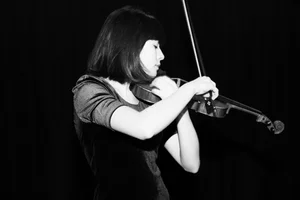
Music often becomes one of the most emotionally lasting parts of a wedding ceremony. Long after the day itself has passed, people remember the feeling created when a particular piece began to play, the atmosphere in the room during the entrance, or the quiet stillness that music can bring to an important moment.
For this reason, choosing live music for a civil ceremony involves far more than simply selecting songs.
Every couple brings a different emotional story to their wedding. Some ceremonies feel intimate and understated, while others are more celebratory and expansive. The role of live violin is not only to perform music beautifully, but to respond thoughtfully to the character of the couple, the venue and the emotional rhythm of the ceremony itself.
Before a wedding, I always spend time speaking with the couple to understand their musical tastes, the ambience they hope to create and how they would like the violin to exist within the space.
Some couples prefer the music to feel more present and visible during key moments of the ceremony. Others want a more discreet and atmospheric approach, without drawing attention away from the ceremony itself.
Very often, the most effective balance sits somewhere between the two.
Although this article focuses on weddings, many of the same principles apply to proposals, where just a single piece of music can become part of a memory that lasts a lifetime. If you are planning both, you may also enjoy reading Planning Live Music for a Wedding Proposal, which explores how preparation, timing and repertoire come together behind one of life's most significant moments.
If you are still looking for the right musician, you may also find my guide 10 Questions to Ask Before Booking a Wedding Violinist helpful. After all, choosing the performer and choosing the music are decisions that naturally belong together.
Why Live Music Feels Different
A civil wedding ceremony often takes place in spaces not originally designed for ritual or performance. Registry offices, town halls and contemporary venues can sometimes feel formal or functional before guests arrive.
Live violin changes that atmosphere remarkably quickly.
A violin played sensitively within the room introduces warmth in a way that recorded music rarely achieves. Live music becomes part of the ceremony itself and brings with it an emotional presence.
One of the reasons live violin works particularly beautifully within civil ceremonies is its flexibility. The instrument can feel intimate and understated in smaller rooms, yet expansive and cinematic within larger spaces.
This adaptability allows the music to respond naturally to the character of the couple and the mood they wish to create.
Choosing the Right Repertoire
Repertoire is deeply personal. Some couples are drawn towards classical works that create elegance and calmness. Others feel more emotionally connected to film music, jazz influenced arrangements or contemporary songs carrying personal meaning.
The most memorable ceremonies are those when the music feels emotionally truthful to the people at the centre of the day.
Our conversations often begin with music that already holds meaning. It may be a favourite film, a song connected to an important memory, a style of music you have always loved or simply a feeling you hope to create as the ceremony unfolds. We’ll also discuss the emotional tone of the ceremony and from a more practical side, the pacing of entrances and transitions. This process helps shape the playlist, but crucially, also the emotional flow of the ceremony itself.
Preparing for the Space
The venue itself plays a significant role in how live violin is approached.
Every room behaves differently acoustically. A small ceremony room with natural resonance creates a very different experience from a larger contemporary venue requiring amplification.
These practical details influence:
• positioning within the room
• volume and balance
• use of backing tracks
• pacing and projection
• the interaction between music and conversation
For this reason, I always arrive well in advance of the ceremony to carry out a sound check and carefully prepare the performance environment before guests arrive.
This preparation allows the music to feel seamless once the ceremony begins.
Even details such as dress code and visual presence matter. Some couples prefer a very understated and discreet appearance, while others want the performance to feel more visually integrated into the style and atmosphere of the celebration.
The role of the musician is to play beautifully, and to also respond thoughtfully to the wider environment of the day.
A Wedding at Hackney Town Hall
One particularly memorable ceremony took place at Hackney Town Hall in London.
In the lead up to the wedding, I had several conversations with James and Matthew about repertoire, atmosphere and the overall emotional character they hoped to create within the ceremony. During a video call, I played sections of their chosen music alongside backing arrangements so they could experience how the pieces would feel within the space of the ceremony itself.
Those conversations became an important part of the preparation process. Music often carries deep emotional associations, and hearing these pieces take shape before the wedding created a strong emotional response for all of us involved.
For the ceremony, I prepared bespoke arrangements and customised backing tracks for.A Million Dreams from The Greatest Showman, A Day Like This by Elbow and an excerpt from Concerning Hobbits from The Lord of the Rings.
Each arrangement was adapted carefully to suit the timing and pacing of a civil ceremony format, allowing transitions to unfold naturally without disrupting the flow of the event.
Positioning within the room was also considered thoughtfully. Rather than becoming the visual focus of the ceremony, I placed myself discreetly within the space so that the music could travel naturally through the room while attention remained centred on the couple themselves.
One of the most meaningful comments afterwards was that the performance sounded “like a recording, but live in the room.”
For me, that balance between polish, warmth and emotional immediacy is often what makes live violin feel so powerful within wedding ceremonies.
Flexibility on the Day
No wedding unfolds with complete precision. Entrances may take slightly longer than expected and unexpected pauses will most likely always emerge throughout the day.
Occasionally, guests may request an additional piece of music at the end of the ceremony.
Flexibility, therefore, becomes an important part of live performance.
For this reason, I always prepare additional repertoire and multiple musical transition points within pieces so that performances can be adjusted naturally according to the pace of the ceremony itself.
Communication also remains essential throughout the day. I usually ask couples to nominate a trusted guest or organiser who can act as a point of contact during the ceremony, allowing any practical coordination to happen quietly without interrupting the couple themselves.
These details may appear small, but they help create the sense of calmness and continuity that allows the ceremony to unfold naturally.
Music as Part of Memory
One of the things I value most about performing at weddings is understanding that music becomes part of memory itself.
The ceremony may only last a short period of time, yet the emotional atmosphere created within those moments often stays with people for many years afterwards. The music becomes woven into photographs, recordings, conversations and personal recollections of the day.
People could easily choose to press play on a recording. But when a couple chooses live music, they are often looking for something beyond the notes themselves. They are inviting another human presence into one of the most meaningful moments of their lives.
I approach each wedding with that awareness and responsibility in mind.
If you are in the early stages of planning your ceremony, you may also find my guide 10 Questions to Ask Before Booking a Wedding Violinist useful. It explores some of the practical and musical considerations that can help you choose a performer who feels right for your day.
Live Violin for Weddings and Civil Ceremonies in London
I provide live violin performance for weddings and civil ceremonies across London and the United Kingdom, including registry offices, town halls, private venues and intimate celebrations.
Each ceremony is approached individually, with careful attention to atmosphere, repertoire and the emotional flow of the event itself.
If you are planning a wedding or civil ceremony and would like live violin music tailored to your day, you can learn more about my wedding performances here: